The Essential Guide to Choosing the Right Cables for Your Devices
Choosing the right cables for your devices is crucial for ensuring optimal performance and longevity. Whether you’re connecting smartphones, laptops, or audio equipment, the specific type of cable can significantly affect data transfer speeds and device longevity. Here are essential factors to consider:
- Compatibility: Always check if the cable is compatible with your device’s ports.
- Data Transfer Speed: Different cables support various speeds; opt for those that meet or exceed your device's requirements.
- Durability: Look for cables made from high-quality materials that resist wear and tear.
Additionally, consider the length of the cable. Shorter cables reduce clutter and are ideal for portable devices, while longer cables provide flexibility for setup in larger spaces. It’s also wise to invest in premium cables when necessary, as they often come with better shielding and connectors that provide a more stable connection. Lastly, don’t overlook customer reviews and expert recommendations to guide your choice.
Counter-Strike is a popular tactical first-person shooter game that has captivated millions of players worldwide. The game emphasizes teamwork and strategy, as players can choose to be part of either the terrorist or counter-terrorist teams. In addition to its thrilling gameplay, many gamers also need to keep their gear organized while on the go; check out the Top 10 Travel Electronics Organizers to find the perfect solution for your travel needs.
5 Common Cable Types Explained: Which One Do You Need?
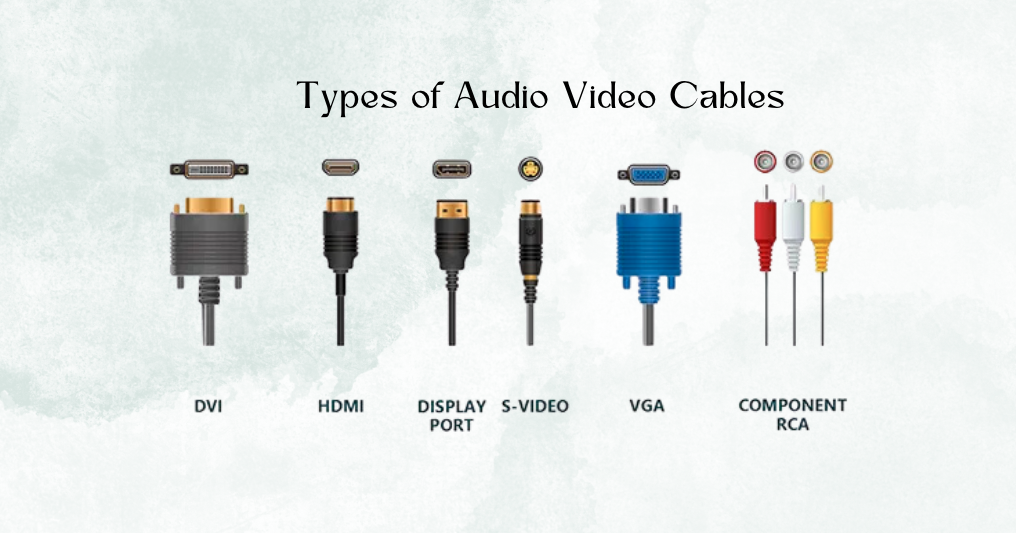
When it comes to choosing the right cables for your electronic devices, understanding the different types of cables is crucial. In this guide, we will explore five common cable types and their respective uses to help you make informed decisions. First on our list is the HDMI cable, widely used for high-definition video and audio transmission, making it essential for connecting devices like TVs, gaming consoles, and computers. Next, we have the USB cable, a versatile option often used for charging devices and transferring data. There are various USB types, such as USB-A, USB-C, and micro USB, each serving different purposes and compatibility.
Another important category is the Ethernet cable, which is essential for wired internet connections. Ethernet cables come in various categories, such as Cat5e, Cat6, and Cat7, with each offering different speeds and bandwidth capacities. Additionally, we can't overlook the Audio/Video cables, including component cables, composite cables, and S-video cables, which are vital for connecting audio and video devices. Lastly, the Coaxial cable is used primarily for cable television and internet, known for its durability and ability to transmit high-frequency signals. By understanding these cable types, you can determine which ones you need for your specific applications.
How Do Quality Cables Enhance Your Tech Experience?
Quality cables play a crucial role in enhancing your tech experience by ensuring optimal performance and reliability. Unlike standard or low-cost cables, which can lead to interruptions and degraded signal quality, high-quality alternatives utilize superior materials and design to guarantee a seamless connection. For instance, high-speed HDMI cables are designed to handle 4K video and multi-channel audio without any degradation, making them essential for a high-definition viewing experience. By investing in quality, users can avoid frustrations like signal drops and reduce the risk of damaging their devices.
Furthermore, using durable cables not only improves performance but also extends the lifespan of your tech devices. High-quality cables often feature robust outer layers that resist wear and tear, which is particularly important for frequently used items like chargers and audio cables. In addition, many quality cables come with features like shielding to protect against electromagnetic interference, ensuring a cleaner signal. This leads to better sound quality for audio setups and clearer visuals for gaming and streaming, ultimately providing a richer and more enjoyable tech experience.