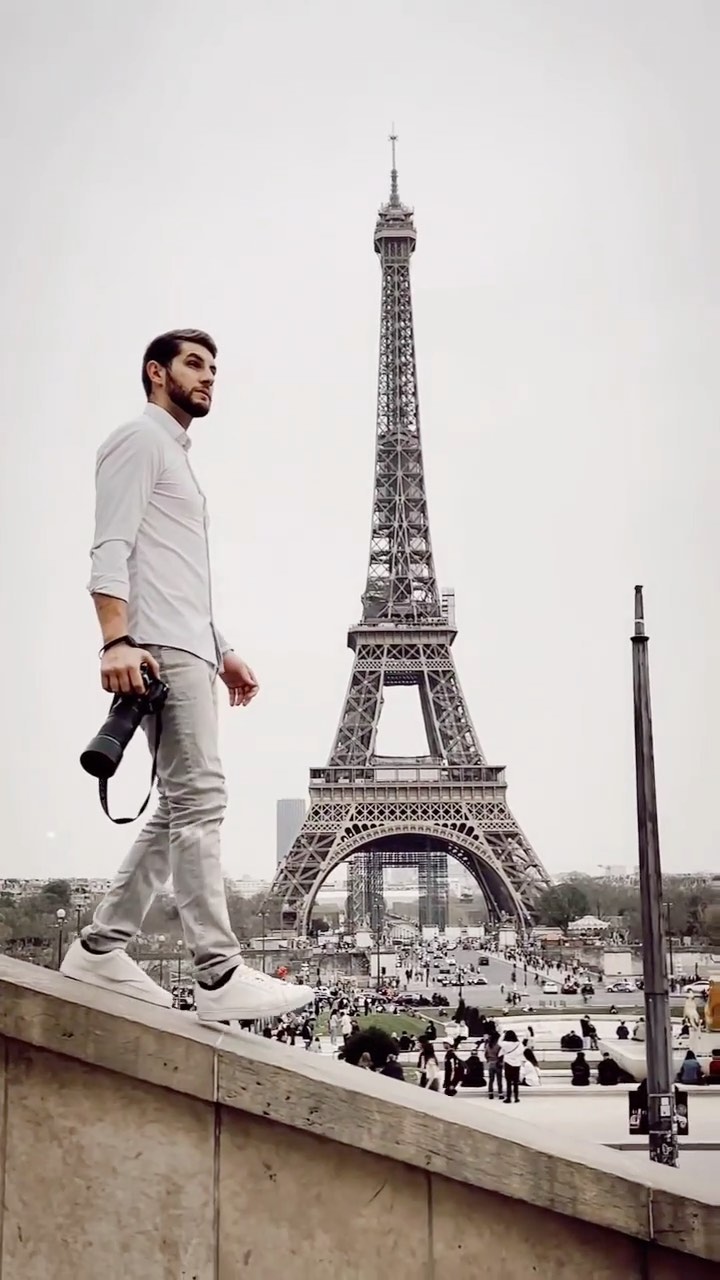
Top 10 Essential Photography Tips for Everyday Wizards
If you're an everyday wizard behind the camera, mastering the art of photography can elevate your skills from amateur to pro in no time. Here are the Top 10 Essential Photography Tips to help you capture stunning images that will leave a lasting impression. First and foremost, always pay attention to lighting. Natural light can dramatically affect the mood and quality of your photos, so try to shoot during the golden hour—just after sunrise or before sunset—for that warm, enchanting glow.
Next, consider your composition carefully. Using techniques like the Rule of Thirds can help you create balanced images that draw the viewer's eye. To apply this rule, imagine your photo divided into nine equal parts by two horizontal and two vertical lines. Place the most important elements along these lines or at their intersections for a more dynamic composition. Lastly, don't forget to experiment with angles; sometimes a slight change in perspective can turn an ordinary shot into something magical!
Counter-Strike is a highly popular first-person shooter game that emphasizes teamwork and strategy. Players can choose between two opposing teams, terrorists and counter-terrorists, each with specific objectives to complete. For those interested in enhancing their gaming experience, you might want to explore the Top 10 iPhone photography accessories that can help capture memorable moments from your gaming sessions or events.
How to Capture Stunning Portraits with Just Your Smartphone
Capturing stunning portraits with your smartphone is more achievable than you might think. Start by understanding the basic principles of portrait photography. Consider the lighting, as natural light can significantly enhance the quality of your images. Aim to shoot during the golden hour—just after sunrise or before sunset—when the light is soft and warm. Position your subject in a well-lit area, and avoid harsh overhead lighting, as it can cast unflattering shadows on the face.
Next, focus on the composition of your portrait. Use the rule of thirds to create balance in your shot. Enable grid lines in your camera settings to help you align your subject along these lines. Additionally, play with the background to ensure it enhances, rather than distracts from, your subject. A simple, blurred background can make your subject pop. Finally, don’t forget to experiment with different angles and perspectives to find the most captivating shot.
What Are the Best Camera Settings for Unique Landscape Photography?
Capturing stunning landscapes requires more than just a good eye; it involves understanding the best camera settings to bring your vision to life. Start by setting your camera to aperture priority mode (often labeled as A or Av on your camera dial). This allows you to control the depth of field, which is crucial for landscape photography. A small aperture (high f-stop number) such as f/8 to f/16 ensures that both foreground and background are in sharp focus, creating that immersive depth. Additionally, adjusting the ISO to the lowest setting possible will help maintain image quality and reduce noise, especially in bright daylight conditions.
Next, shutter speed is an essential factor to consider. For landscapes, especially those with moving elements like water or clouds, a slower shutter speed can create a beautiful, smooth effect. Use a tripod to stabilize your camera when using slower shutter speeds (typically below 1/60 seconds) to avoid motion blur. It's also beneficial to shoot in the golden hour—shortly after sunrise or before sunset—when the soft light enhances colors and textures. To summarize, leveraging a combination of aperture, ISO, and shutter speed will ensure you achieve the best camera settings for capturing unique landscapes that stand out.