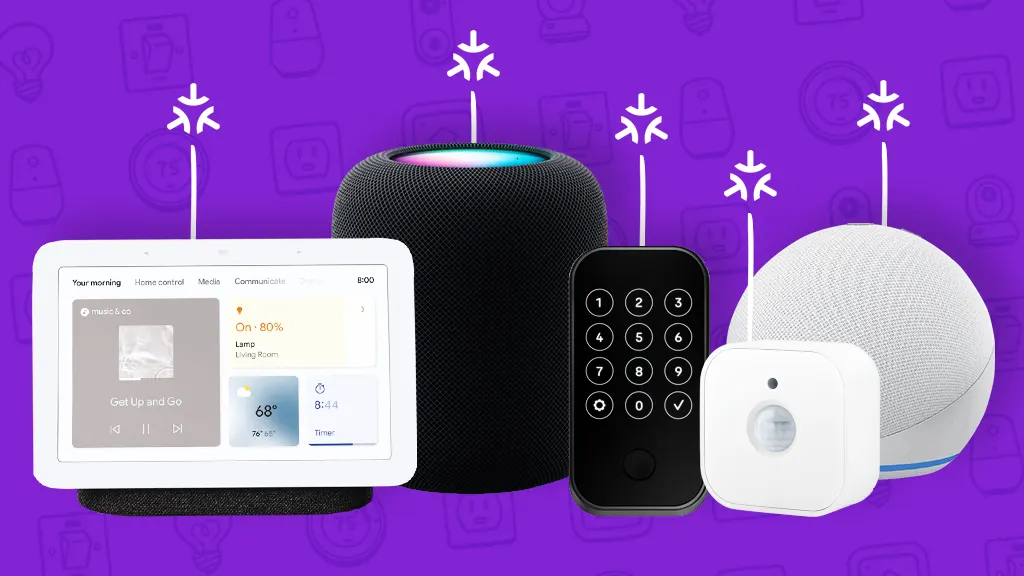
Why Device Compatibility Matters: Understanding the Backbone of Your Tech Experience
In an increasingly digital world, device compatibility plays a crucial role in shaping the way we interact with technology. Whether you are using a smartphone, tablet, laptop, or desktop, the ability for different devices to work seamlessly together enhances the user experience and ensures that we can access content whenever and wherever we need it. Imagine trying to access a website that is not optimized for your mobile device; it can lead to frustrating experiences, such as broken layouts or inaccessible features. Understanding the backbone of your tech experience means recognizing that device compatibility is not just a luxury, but a necessity for effective communication and productivity.
Moreover, device compatibility extends beyond mere functionality; it promotes inclusivity and engagement. As technology continues to evolve, the variety of devices available is vast, catering to different user preferences and needs. Websites and applications that prioritize compatibility ensure they reach a broader audience, allowing users to browse comfortably on their chosen devices. To achieve this, developers often utilize responsive design principles, ensuring that websites adapt effectively to varying screen sizes and orientations. Ultimately, investing in device compatibility is a strategic decision that enhances brand reputation and user loyalty, paving the way for a more cohesive tech experience.
Counter-Strike is a popular first-person shooter game that emphasizes strategy, teamwork, and skill. Players are divided into two teams: terrorists and counter-terrorists, each with distinct objectives. The game has evolved significantly since its inception, with various editions and updates enhancing gameplay and graphics. For gamers looking for the best accessories, check out the Top 10 Wireless Chargers for Pixel Devices to ensure their devices are powered during those intense gaming sessions!
The Top 5 Devices You Didn't Know Were Incompatible with Your Favorite Apps
When it comes to our favorite apps, we often assume compatibility across all devices. However, there are surprising instances where certain popular devices fall short. For instance, smart refrigerators equipped with browsing capabilities may not be able to support streaming apps like Netflix or Hulu, limiting your ability to enjoy media while cooking. Wearable fitness trackers, too, are occasionally outdated in their app compatibility, especially when trying to sync data with the latest health apps, which can often be a source of frustration for users.
Another device that may not play nice with your favorite applications is the smart TV. While many offer app stores, some models lack support for major streaming apps due to outdated software or hardware limitations. Likewise, certain older gaming consoles can encounter difficulties accessing new titles or online features because they aren't supported by the latest updates from game developers. To avoid disappointment, it's crucial to check compatibility before purchasing these devices to ensure a seamless app experience.
Is Your Device Limited? Exploring Common Compatibility Issues and Solutions
In our increasingly digital world, compatibility issues can often hinder the user experience, leaving many to wonder if their device is limited. Compatibility problems can arise from various sources, including operating systems, hardware specifications, and software applications. Common compatibility issues include the inability to run certain applications, problems with file formats, or connectivity challenges with peripherals. Identifying these issues early can save you time and frustration, and it's essential to stay informed about the latest updates and requirements for your devices.
Fortunately, there are effective solutions to most compatibility issues. First, ensure that your device's operating system is up to date; manufacturers regularly release patches to improve compatibility and security. Additionally, consider using compatibility mode settings for software that isn't functioning correctly. Another useful approach is to check for alternative applications that serve the same purpose but are designed to work with your specific device. Lastly, don't hesitate to consult online forums or support resources for guidance from others who may have faced similar compatibility challenges.