The Science Behind Ergonomics: How to Design Your Perfect Workspace
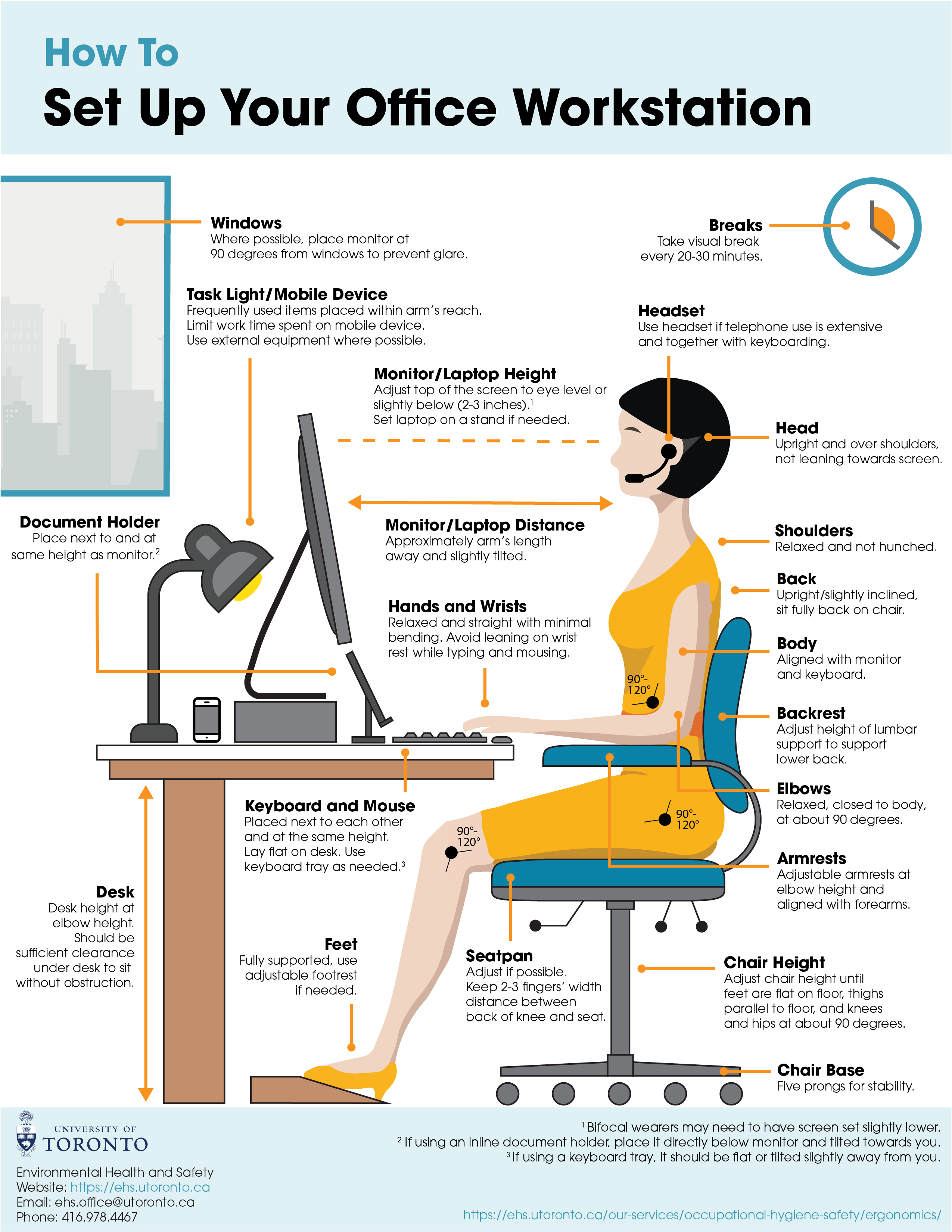
Understanding the science behind ergonomics is essential for creating a workspace that promotes comfort and productivity. Ergonomics involves designing workspaces and tasks to fit the user's needs, reducing strain and improving efficiency. Key principles include proper seating, the correct height of desks, and the positioning of screens and peripherals. A well-designed workspace can help prevent repetitive strain injuries (RSIs) and musculoskeletal disorders, which are common in office environments.
To achieve the perfect workspace, consider implementing the following ergonomic tips:
- Chair Height: Adjust your chair so your feet rest flat on the ground, promoting proper posture.
- Screen Position: The top of your monitor should be at or slightly below eye level, allowing for a straight neck.
- Keyboard and Mouse Placement: Keep them at elbow height, close enough to prevent overreaching.
- Breaks: Schedule regular breaks to stretch and move, reducing fatigue and improving focus.
By following these ergonomic guidelines, you can significantly enhance your workspace, fostering a healthier and more productive environment.
Counter-Strike is a highly popular tactical first-person shooter game that focuses on team-based gameplay. Players can choose to be a part of the terrorist team or the counter-terrorist team, each with unique objectives. To enhance your gaming experience and reduce eye strain during long sessions, consider exploring the Top 10 Phone Accessories for Eye Strain. The game is known for its competitive scene, including various tournaments and leagues worldwide.
Top 10 Ergonomic Accessories You Never Knew You Needed
In today's fast-paced world, maintaining a healthy workspace is essential for productivity and well-being. Whether you're a remote worker or spend long hours at a desk, incorporating ergonomic accessories can significantly enhance your comfort and efficiency. Here’s a list of the top 10 ergonomic accessories you never knew you needed to optimize your workspace:
- Adjustable Standing Desk: Switch from sitting to standing effortlessly to reduce fatigue.
- Ergonomic Chair: Invest in a chair that supports your back and promotes good posture.
- Keyboard Tray: A tray allows your hands to rest at a comfortable angle, minimizing strain.
- Monitor Stand: Elevate your monitor to eye level to prevent neck pain.
- Footrest: Keep your feet flat on the ground or elevated for better circulation.
- Wrist Rest: Add support for your wrists while typing to prevent carpal tunnel syndrome.
- Anti-Fatigue Mat: If you use a standing desk, these mats provide cushioning and reduce fatigue.
- Document Holder: Position documents at eye level to reduce neck strain while reading.
- Blue Light Glasses: Protect your eyes from prolonged screen exposure and reduce eye strain.
- Ergonomic Mouse: A specially designed mouse can help maintain a natural hand position and reduce wrist strain.
Is Your Office Making You Sick? Signs You Need an Ergonomic Makeover
In today's work environment, many employees spend long hours at their desks, often leading to discomfort and health issues. If you find yourself experiencing frequent headaches, neck pain, or wrist discomfort, it may be a clear sign that your office is making you sick. According to studies, an ergonomic workspace can significantly reduce these symptoms by improving posture and reducing strain on the body. Assessing your work environment is crucial—take a moment to evaluate the following signs you need an ergonomic makeover:
- Persistent aches and pains
- Frequent fatigue or lack of focus
- Visible clutter on your desk
- Uncomfortable seating or desk height
Another critical aspect of an ergonomic workspace is proper equipment. If your chair lacks lumbar support or your computer screen is positioned too low, it's time for a change. Implementing these adjustments can create a healthier work atmosphere and potentially increase productivity. Remember to listen to your body; if you're feeling discomfort, it's a clear indication that your office is making you sick. By investing in ergonomic solutions such as adjustable desks, supportive chairs, and proper monitor placement, you can foster a workspace that not only prioritizes comfort but also overall well-being.