The Anatomy of Sound: How Microphones Capture Stories
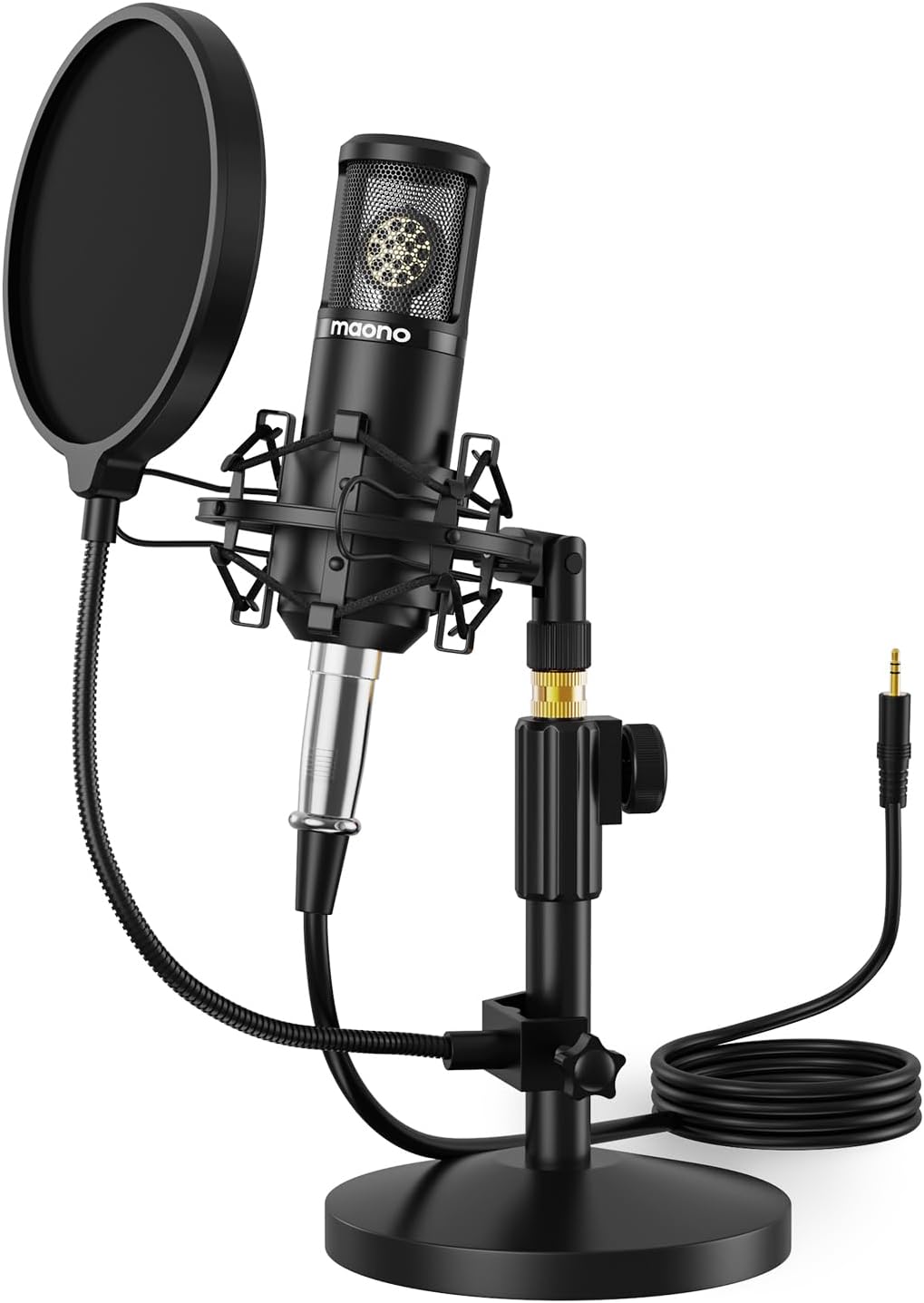
The world of sound is intricate and fascinating, with microphones serving as essential tools that bridge the gap between the audible and the digital. Understanding how microphones capture stories begins with the anatomy of the microphone itself. At its core, a microphone converts sound waves—vibrations in the air—into electrical signals. This process typically involves several key components: a diaphragm that vibrates in response to sound waves, a transducer that converts these vibrations into electrical signals, and an enclosure that enhances the microphone's sensitivity to particular frequencies. The combination of these elements determines the microphone's overall performance and, ultimately, its ability to faithfully record the nuances of a story.
As storytellers, whether podcasters, musicians, or filmmakers, the choice of microphone can significantly influence how a story is perceived. For instance, **dynamic microphones** are renowned for capturing loud sounds with richness and clarity, making them ideal for live performances, whereas **condenser microphones** are favored in studio settings for their ability to pick up subtle nuances. This dynamic range in microphone technology allows creators to select the perfect tool for their narrative style, ensuring that every emotion and detail is encapsulated. In essence, the anatomy of sound and the technology behind microphones work hand in hand, enabling the art of storytelling to evolve and resonate with audiences around the world.
Counter-Strike is a highly popular team-based first-person shooter game that has captivated players since its initial release in 1999. Players take on the roles of terrorists or counter-terrorists, engaged in various objectives like bomb defusals and hostage rescues, which require strategy and teamwork to succeed. For those looking to enhance their gaming experience with quality audio, consider checking out the Top 10 iPhone microphones to ensure clear communication during intense matches.
From Voice to Vibration: Understanding the Magic of Microphone Technology
From Voice to Vibration: The journey of sound begins in our vocal cords, where our voice is transformed into vibrations. These vibrations are the essence of microphone technology, a fascinating interplay between acoustics and electronics. Microphones operate by capturing these sound waves and converting them into electrical signals, allowing us to record and amplify our voices. The fundamental mechanisms include dynamic, condenser, and ribbon microphones, each with its unique properties that cater to different recording environments. Understanding how these devices work gives us insight into the technical magic that makes it possible to capture high-fidelity audio.
The appeal of microphone technology extends beyond mere sound capture. It plays a crucial role in various fields such as music production, broadcasting, and communication technologies. For instance, in music studios, condenser microphones are favored for their ability to pick up subtle nuances, enhancing vocal quality and instrument clarity. On the other hand, dynamic microphones are robust and handle high sound pressure levels, making them ideal for live performances. This versatility emphasizes the importance of choosing the right microphone for specific needs, where each type contributes distinctively to the overall audio experience.
What Makes a Great Microphone? Key Features and Considerations
When searching for a great microphone, there are several key features and considerations to keep in mind. Firstly, the type of microphone is crucial—whether you choose a dynamic, condenser, or ribbon microphone can significantly impact sound quality. Dynamic microphones are perfect for live performances due to their durability, while condenser microphones excel in capturing vocals and acoustic instruments in studio environments. Additionally, consider the microphone’s polar pattern, such as cardioid, omnidirectional, or bidirectional, as this affects how sound is picked up from various angles.
Another vital factor is the frequency response of the microphone, which determines how accurately it can reproduce different sound frequencies. A wide frequency response range is essential for capturing vocals, instruments, and other audio sources authentically. Moreover, incorporating features like a built-in pop filter, shock mount, and low-cut filter can enhance your recording quality by minimizing unwanted noise and vibrations. Ultimately, ensuring you choose a microphone that aligns with your specific recording needs and environment will lead to achieving the best sound possible.