5 Essential Tips to Improve Your Sound Quality at Home
Improving your sound quality at home can make a significant difference in your overall listening experience. Here are five essential tips to help you achieve optimal sound:
- Optimize Your Room Acoustics: Start by assessing the acoustics of your space. Use soft furnishings like carpets, curtains, and cushions to absorb sound and reduce echoes. Consider adding acoustic panels if necessary.
- Invest in Quality Speakers: Choosing high-quality speakers is crucial. Look for models that have a good frequency response and power handling. Good speakers will ensure that you can hear music as it was intended.
- Position Your Equipment Carefully: Speaker placement can greatly affect sound quality. Aim for an equilateral triangle between the speakers and your listening position, and ensure they are away from walls.
Continuing with our tips, here are two more to help elevate your home audio experience:
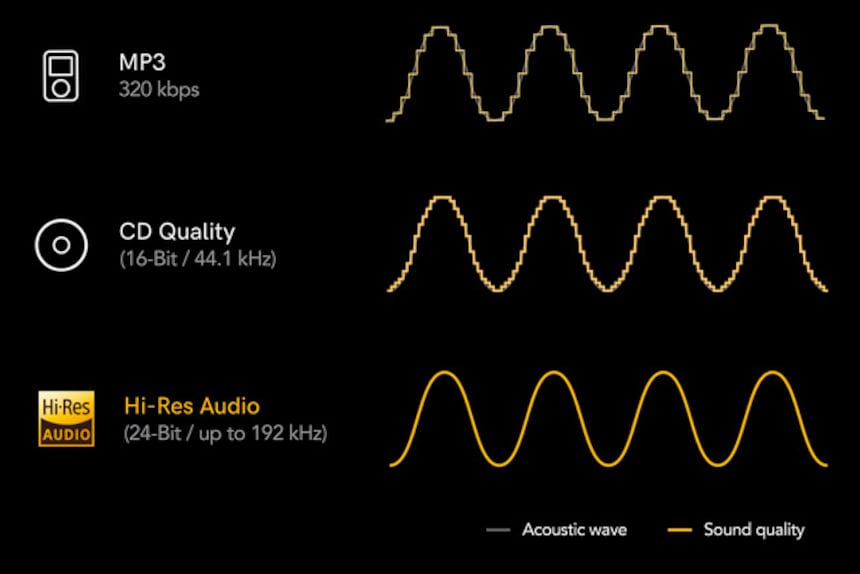
- Use a Quality DAC: If you’re streaming music or using a computer, consider investing in a high-quality Digital-to-Analog Converter (DAC). This device improves sound clarity and overall fidelity.
- Control Your Environment: Background noise can distract from your listening experience. Aim to minimize interruptions by shutting windows and limiting electronic distractions during your audio sessions.
By following these five essential tips, you can significantly enhance the sound quality in your home, transforming your space into an audio haven.
Counter-Strike is a popular first-person shooter game that has captivated millions of players worldwide. This competitive game pits teams of terrorists against counter-terrorists in various gameplay modes. As players engage in strategic combat, they seek to complete objectives such as bomb defusals, hostage rescues, and more. For gamers looking to enhance their experience, you can find a variety of gadgets and tools, including the Top 10 homepod accessories to complement their gaming setups.
Understanding the Importance of Sound Quality: Why It Matters
Sound quality is an often overlooked aspect that plays a crucial role in our daily lives, from enjoying music to engaging in professional meetings. When we talk about sound quality, we refer to how accurately audio is reproduced, which can significantly affect the overall experience of the listener. High-quality sound allows for a clearer distinction between different sounds, making it important for musicians, filmmakers, and content creators to prioritize sound quality in their work. If the audio is poor, it can detract from the listener's experience, ultimately leading to misunderstanding and disengagement.
Moreover, in a world increasingly driven by multimedia content, the importance of sound quality extends beyond personal enjoyment. For businesses, clear and high-quality audio in presentations and videos can enhance professionalism and credibility. In an age where people have countless options for entertainment and information, a commitment to excellent sound quality can set content apart from the competition. This not only keeps the audience engaged but also fosters a deeper connection, allowing the message to resonate more effectively.
How to Choose the Right Equipment for Professional-Quality Audio
Choosing the right equipment for professional-quality audio is crucial for achieving the best sound possible. Start by identifying your specific needs and the type of audio work you will be doing, whether it’s music production, podcasting, or film scoring. Microphones are fundamental to capturing clear sound; consider investing in a few different types, such as dynamic, condenser, and ribbon microphones. Each type serves different purposes and environments, so having a variety will prepare you for various recording situations.
In addition to microphones, you should also pay attention to essential accessories that can enhance your audio quality. Invest in high-quality audio interfaces, which convert analog signals into digital format, and consider soundproofing your recording space to minimize background noise. Don’t overlook the importance of good monitoring equipment as well; studio monitors and headphones will help you accurately hear your recordings, allowing for precise editing and mixing. By taking the time to select the right equipment, you’ll be well on your way to producing professional-quality audio.