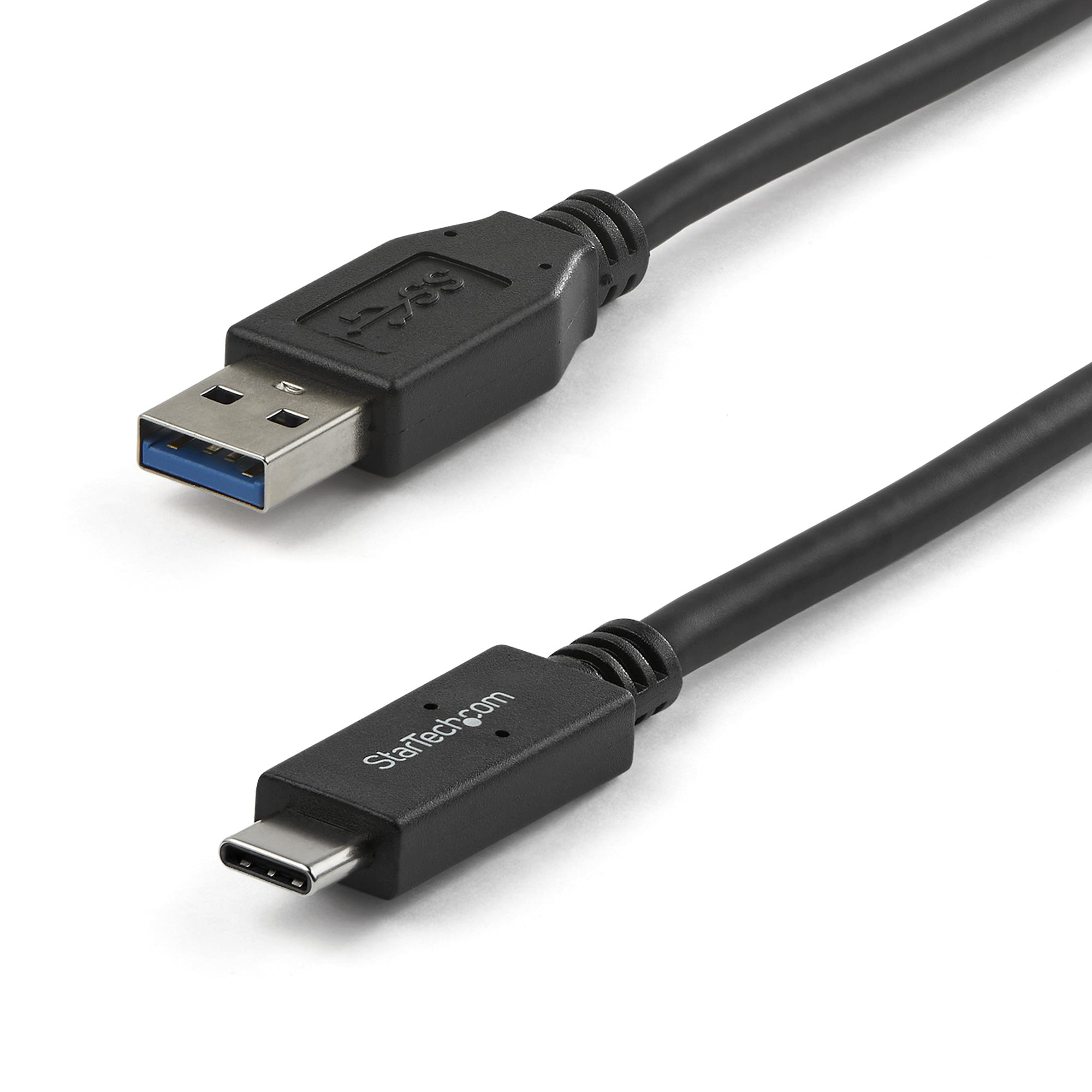
Understanding USB-C: How It Evolved Into the Universal Charging Solution
USB-C, or Universal Serial Bus Type-C, is a versatile connector that has quickly become the universal charging solution for a variety of devices. Introduced in 2014, it marked a significant evolution from previous USB standards, primarily due to its reversible design and ability to transfer power and data simultaneously. Unlike its predecessors, which had varying shapes and sizes, USB-C aimed to standardize connections across platforms, offering users a more seamless experience. This adaptability allowed USB-C to cater to increasingly diverse technology demands, from smartphones to laptops and even peripherals like keyboards and mice.
Over the years, the widespread adoption of USB-C has transformed it into the go-to charging solution. One major advantage is its ability to deliver high power levels, making it capable of charging laptops and other power-hungry devices that previous USB standards couldn't manage. Additionally, with the support for advanced protocols like Power Delivery, USB-C can allocate power based on the device's needs, optimizing the charging process. As the tech industry continues to move towards sustainability, USB-C is also paving the way for a future where fewer cables and chargers are needed, ultimately reducing electronic waste and enhancing user convenience.
Counter-Strike is a popular multiplayer first-person shooter game that has captivated millions of players worldwide since its initial release. With its fast-paced gameplay, strategic team-based mechanics, and competitive environment, it has become a staple in the esports community. Players equip themselves with various weapons and gear to complete objectives, such as defusing bombs or rescuing hostages. To enhance your gaming experience, check out our Top 10 MacBook Accessories for Office, which can improve performance and comfort during long gaming sessions.
USB-C vs. Other Charging Cables: Which Is Right for You?
When it comes to choosing a charging cable, USB-C has emerged as a leading option due to its versatility and speed. Unlike older charging standards such as USB-A and Micro USB, USB-C offers a reversible design that makes it easier to plug in, along with faster charging capabilities and data transfer rates. This cable type is compatible with a wide range of devices, including smartphones, laptops, and tablets, making it a popular choice for consumers looking to consolidate their charging solutions. However, USB-C isn’t the only player in the game; older cables like USB-A and Micro USB still serve many specific purposes, particularly with older devices.
When deciding which charging cable is right for you, consider your device compatibility and charging needs. If you own a variety of modern gadgets that support USB-C, investing in this cable type could enhance your efficiency and convenience. On the other hand, if you primarily use older technology that relies on USB-A or Micro USB connections, these cables may still meet your requirements. Ultimately, the best choice depends on your current devices and how you anticipate your tech needs will evolve in the future. Always weigh the benefits of speed and compatibility against the necessity of supporting older devices as you make your decision.
The Future of USB-C: Trends and Innovations to Watch
The future of USB-C is set to transform the landscape of connectivity as we know it. As more devices adopt this versatile standard, we can expect to see a multitude of trends emerging. First and foremost, the integration of USB-C across various platforms—including smartphones, laptops, tablets, and even gaming consoles—will ensure a more unified charging experience for consumers. Additionally, advancements in power delivery technology will allow USB-C to support higher wattages, enabling faster charging and powering of larger devices such as laptops and monitors. According to recent studies, it's anticipated that by 2025, over 90% of new smartphones will feature USB-C ports, highlighting a significant shift in the industry.
Innovation is also key in the evolution of USB-C, particularly in data transfer speeds and accessory compatibility. Recent developments like USB4 promise to double the current data transfer rates, reaching up to 40 Gbps, which will revolutionize the way we handle large files and stream high-resolution media. Furthermore, the emergence of new accessories designed specifically for USB-C ports, such as multi-port hubs, external storage devices, and even docking stations, will provide users with enhanced functionality. As the ecosystem around USB-C continues to grow, it's clear that staying informed about these innovations will be essential for both consumers and manufacturers alike.