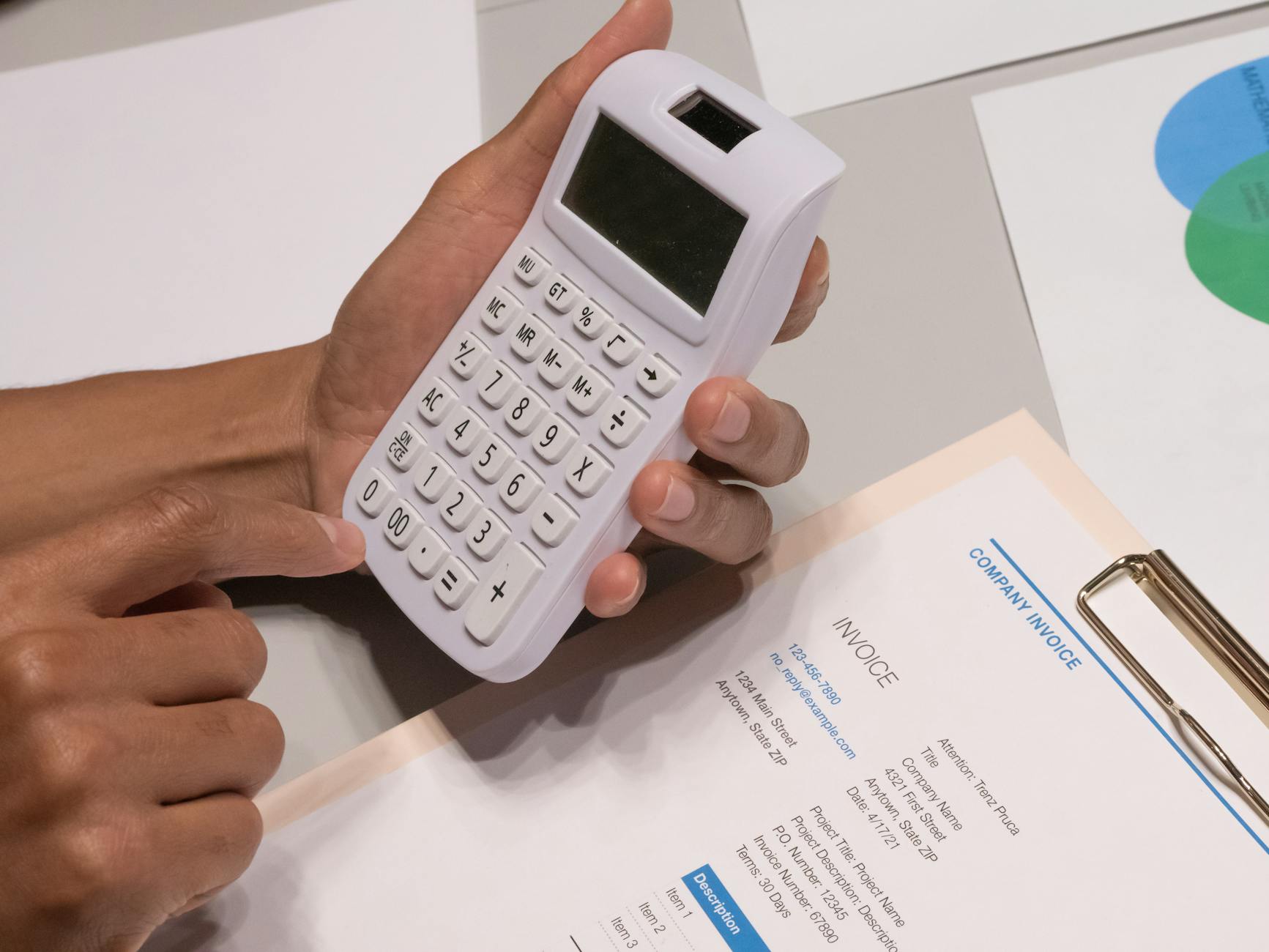
Navigating E-Invoicing for Manufacturers: Your Essential Explainer & How-To
The manufacturing sector is undergoing a significant digital transformation, and e-invoicing is at the forefront of this evolution. Far from being a mere compliance checkbox, e-invoicing offers manufacturers a powerful tool to streamline their financial operations, enhance supply chain efficiency, and gain critical insights into their cash flow. Understanding the nuances of e-invoicing goes beyond simply sending digital documents; it involves integrating sophisticated systems that can handle diverse formats, comply with varying global regulations, and automate complex approval workflows. This section will demystify the intricacies of e-invoicing specifically for manufacturers, exploring how it can transform everything from procurement to payment processing, ultimately leading to a more agile and profitable business.
Successfully navigating the e-invoicing landscape requires a strategic approach, particularly for manufacturers dealing with high transaction volumes and intricate global supply chains. Key considerations include selecting the right e-invoicing solution that integrates seamlessly with existing ERP systems, ensuring compliance with country-specific mandates like Peppol in Europe or mandated B2B e-invoicing in India, and establishing robust security protocols to protect sensitive financial data. We'll delve into the practical steps involved in implementing an effective e-invoicing strategy, covering:
- Choosing the right technology partner for your manufacturing operation.
- Understanding data exchange formats (e.g., XML, EDI) relevant to your industry.
- Strategies for seamless integration with your current financial systems.
- Best practices for ensuring regulatory compliance across different jurisdictions.
By mastering these elements, manufacturers can unlock the full potential of e-invoicing, moving beyond basic digitization to achieve true operational excellence.
E-invoicing is becoming increasingly crucial for manufacturing firms, offering streamlined processes and enhanced efficiency. By adopting e-invoicing for manufacturing firms, companies can automate their billing cycles, reduce manual errors, and improve cash flow management. This digital transformation not only boosts operational productivity but also ensures compliance with evolving regulatory standards.
E-Invoicing for Manufacturers: Common Questions, Practical Tips, & What's Next
Navigating the shift to e-invoicing presents both challenges and significant opportunities for manufacturers. Many questions arise concerning implementation, regulatory compliance, and integration with existing ERP systems. Manufacturers often wonder:
- How can we ensure our e-invoicing solution is compliant with various regional mandates, such as those in Europe or Latin America?
- What are the best practices for integrating e-invoicing with our current accounting or supply chain management software?
- How can we leverage e-invoicing to improve cash flow and reduce manual processing errors?
Beyond the initial setup, the future of e-invoicing for manufacturers is closely tied to advancements in automation and data analytics. Expect to see a greater integration of artificial intelligence (AI) and machine learning (ML) to further streamline invoice processing, reconciliation, and fraud detection. The move towards a truly interconnected digital ecosystem means e-invoicing will become an even more integral part of broader supply chain visibility initiatives. This evolution promises not just cost savings, but a strategic advantage through real-time financial insights and improved operational efficiency across the entire manufacturing value chain. Manufacturers who embrace these emerging technologies will be best positioned for sustained growth and competitiveness.