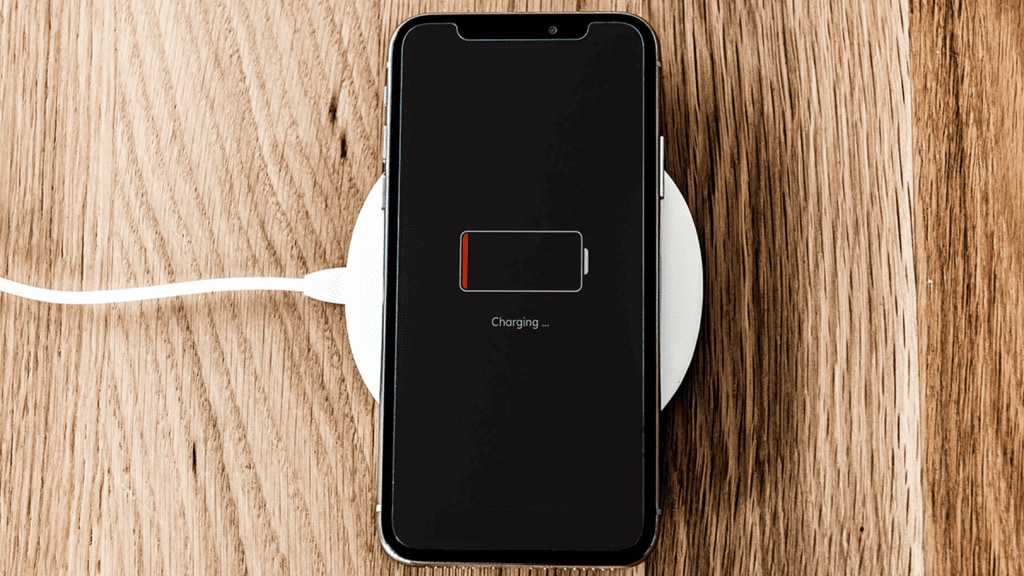
How Wireless Charging Works: The Technology Behind the Convenience
Wireless charging, often referred to as inductive charging, utilizes electromagnetic fields to transfer energy between two objects. This technology typically involves a charging pad and a compatible device, such as a smartphone or smartwatch. The charging pad contains a coil that generates an alternating electromagnetic field when connected to a power source. The device then has a receiver coil that captures this energy, converting it back into electrical current to charge the battery. This method eliminates the need for physical connectors, offering a convenient solution for charging.
The process of wireless charging is based on Faraday's law of electromagnetic induction. This principle states that a change in magnetic field within a closed loop induces a voltage. To enhance efficiency, many wireless chargers employ the Qi standard, which ensures that devices can communicate with the charger to optimize power transfer. As this technology continues to evolve, improvements in speed and efficiency are making wireless charging more appealing, allowing users to maintain a clutter-free environment while staying powered up.
Counter-Strike is a highly popular first-person shooter game that features team-based gameplay, where players assume the roles of either terrorists or counter-terrorists. The competitive nature of the game has given rise to numerous tournaments, showcasing some of the best players worldwide. It's essential for gamers to prepare for long gaming sessions; for instance, one might consider checking out the Top 10 magsafe power banks to ensure their devices stay charged and ready for action.
The Benefits of Going Wireless: Why You Should Ditch Traditional Chargers
In today's fast-paced world, the shift towards wireless technology has led to a significant transformation in how we charge our devices. The benefits of going wireless extend beyond mere convenience; they encapsulate efficiency and enhanced functionality. With traditional chargers, users often find themselves tangled in a web of cables, leading to frustration and potential damage to the devices. By opting for wireless chargers, you eliminate these hassles, allowing for a seamless experience that integrates smoothly into your lifestyle.
Moreover, wireless charging technology promotes a cleaner workspace. Imagine a desk free from clutter—the absence of cords creates an organized and aesthetically pleasing environment. Additionally, many wireless chargers come equipped with safety features such as overheating protection, ensuring your devices remain safe while charging. In conclusion, as you consider the switch, remember that ditching traditional chargers not only simplifies your life but also enhances your overall charging experience.
Is Wireless Charging Safe? Myths and Facts You Need to Know
The debate surrounding wireless charging often revolves around safety myths and facts that can cause confusion among consumers. Many people wonder whether placing their devices on a charging pad could lead to overheating or damage over time. Contrary to popular belief, reputable wireless charging standards, such as Qi, have built-in safety features like temperature control and foreign object detection to prevent risks. These systems ensure that charging stops if the device overheats, making wireless charging a safe and efficient way to power your gadgets.
Another common myth is that wireless charging emits harmful radiation. In reality, wireless charging utilizes electromagnetic fields much like Bluetooth or Wi-Fi, and the levels are significantly lower than those emitted by everyday devices. According to extensive studies, the radiation produced is well within international safety limits, ensuring that wireless charging poses no health risks to users. Educating yourself on these myths can help you make informed choices about your charging methods.